
❧   ❧   ❧
Pulhashram Muktinath · September 2026
यात्रा

The Yatra

A small gathering, led personally by Dr. Kul Raj Chalise, walking the corridor Nilkanth Varni walked.

Inquire Now
The Yatra

A small yatra — a dozen or so seats, led personally by Dr. Kul Raj Chalise — following the sequence given in Satsangi Jeevan, Chapter 44. From Galeshwor, where Suryanarayan directed Nilkanth Varni northward, down the Kali Gandaki that carries Shaligram shilas as the aniconic form of Vishnu, to Pulhashram Muktinath — the ground of the four-month tapasya.

Six days on the ground. The reading begins weeks earlier. The practice continues at home.

The Corridor · Five Chapters

Not stops on a map. Chapters of a sacred arc.

Each chapter has its own pace, its own scripture, its own ground.
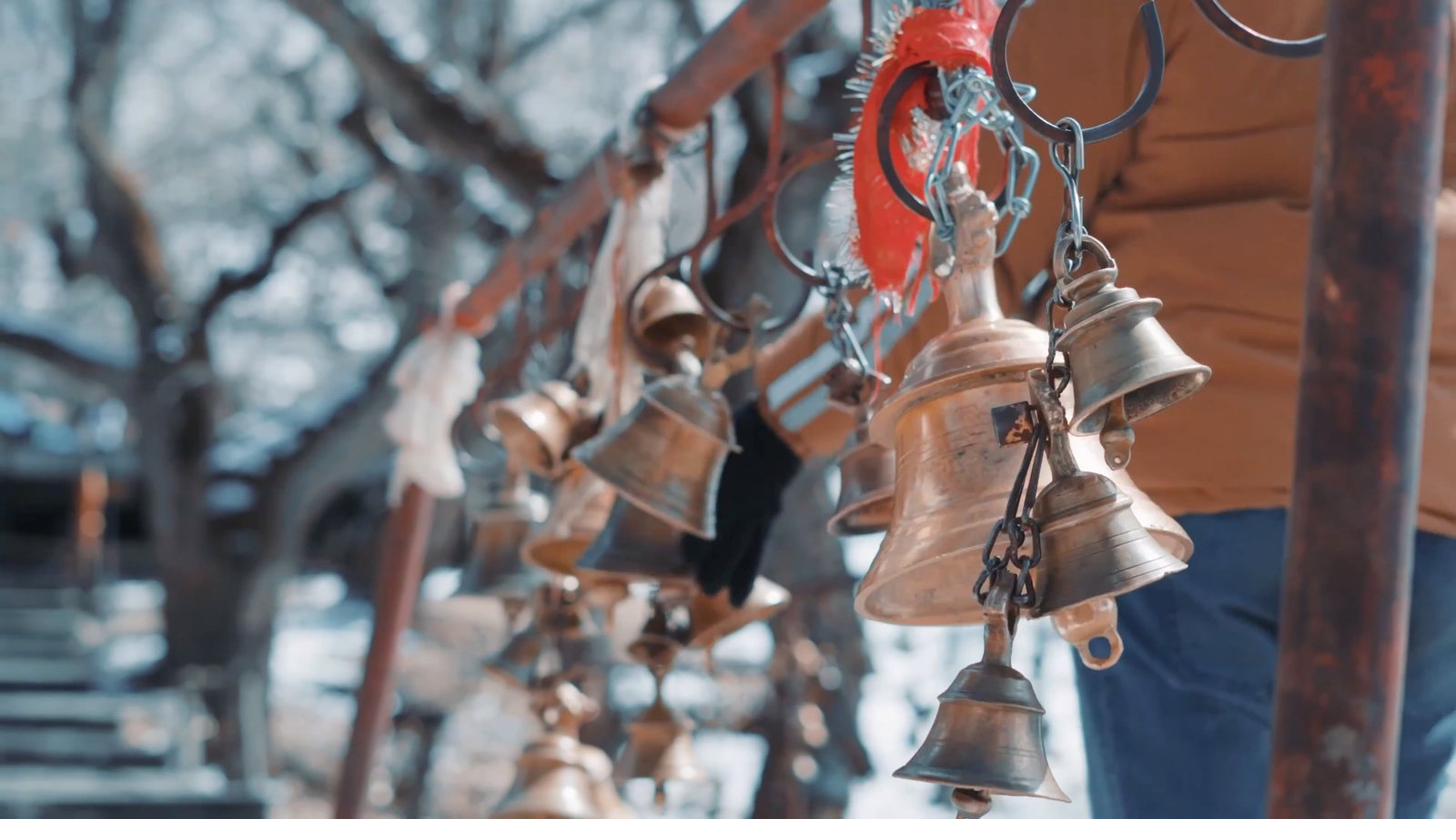
Brass temple bells
Sankalp — the first reading
I
संकल्प
Sankalp

Kathmandu

Arrival. A day to settle — body, altitude, time. The yatra opens with a quiet evening satsang where Dr. Chalise reads the Nilkanth Varni passages that set the ground for everything that follows. Each family states a sankalp — the intention they will carry through the corridor.
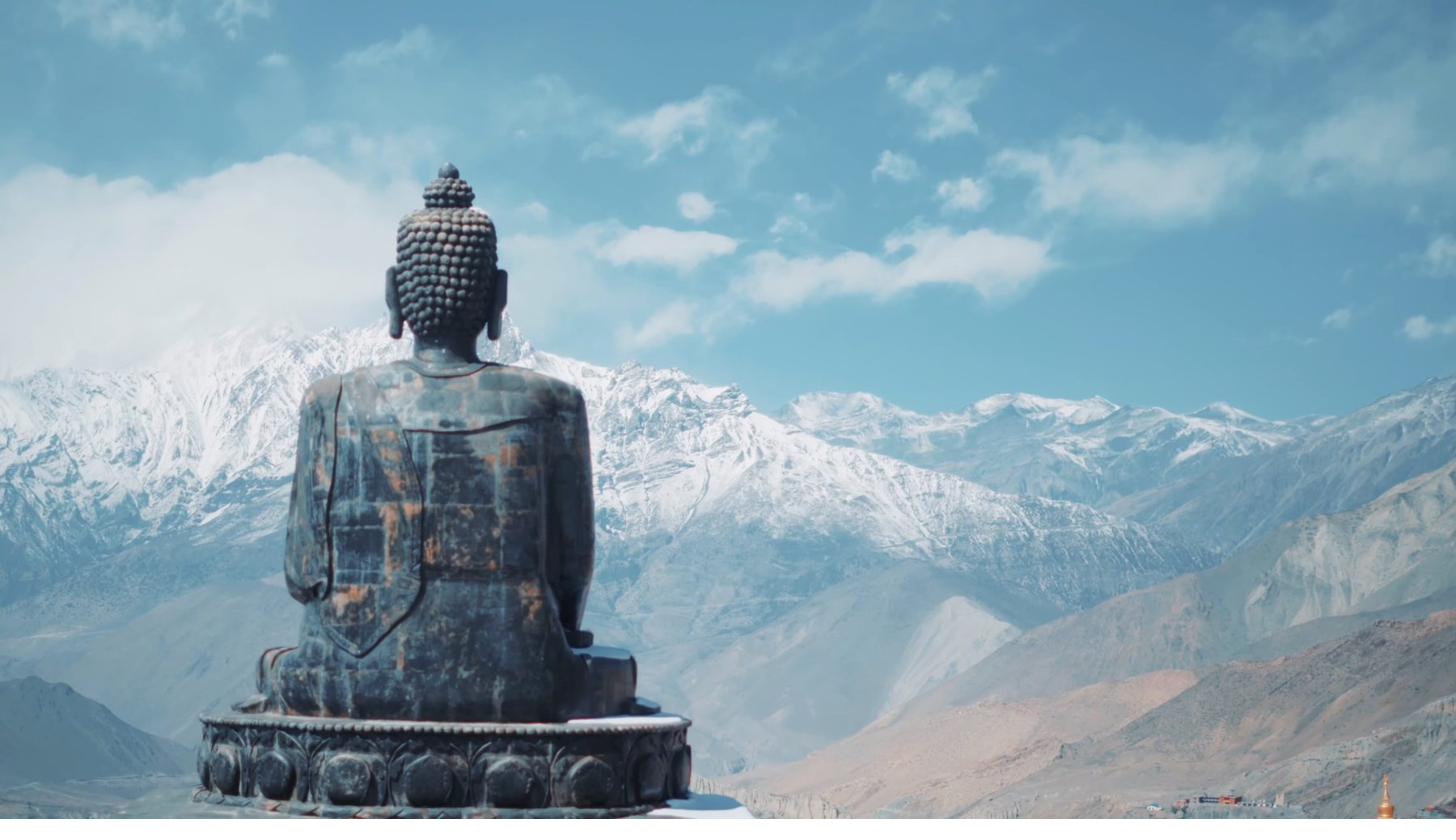
1 night · Boutique hotel
Contemplative Himalayan setting
Below the Annapurna
II
वैराग्य
Vairagya

Pokhara

Two nights at the edge of Phewa Lake, below the Annapurna. This is the foothill chapter — where the pace softens and the mind loosens. Bindhyabasini darshan, lakeside sadhana, and a long evening katha on the meaning of vairagya. A short domestic flight carries us northward on the third morning.
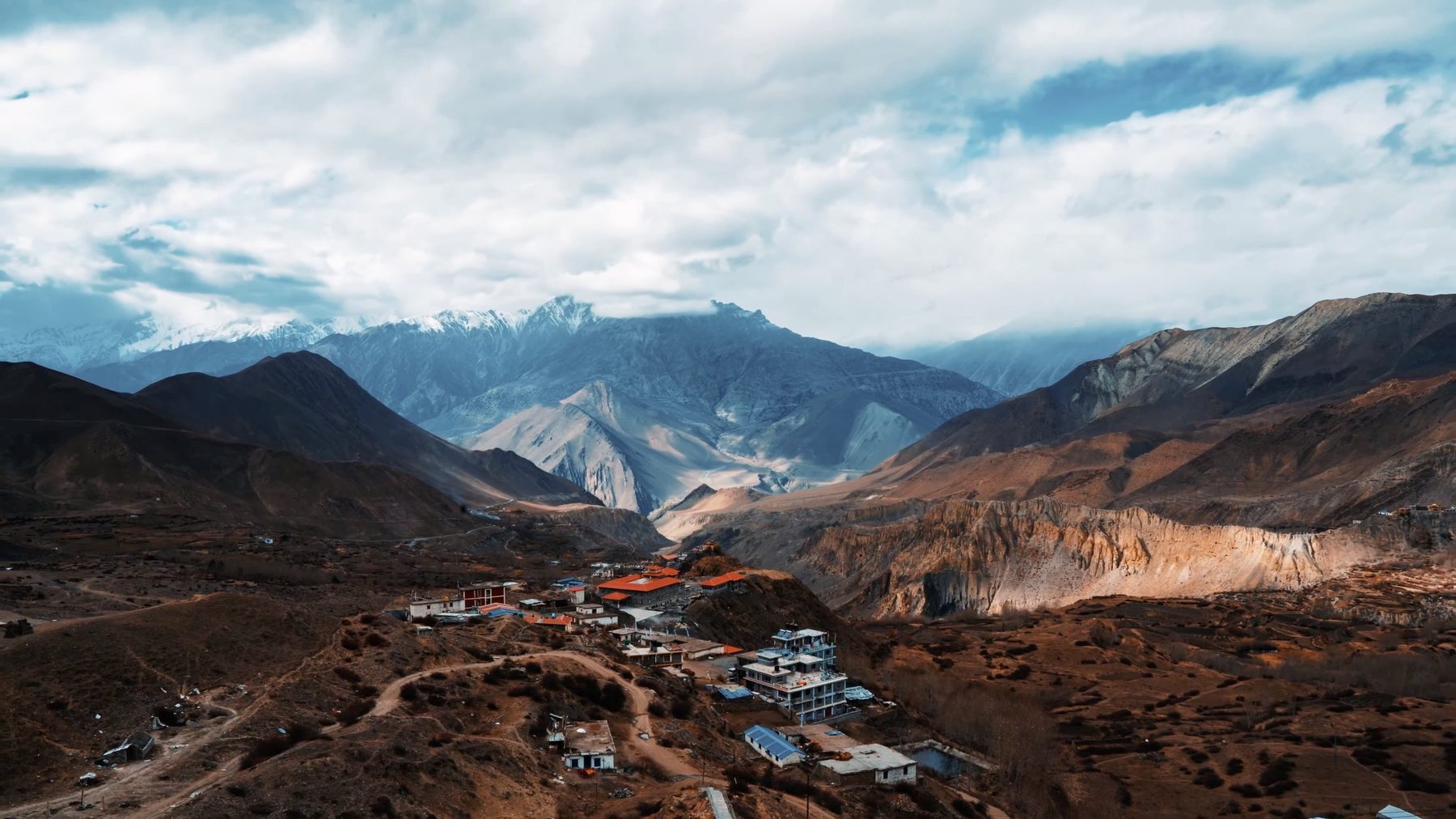
2 nights · Flight to Jomsom
The Kali Gandaki corridor
The gorge, en route
III
तप
Tapas

Galeshwor

Galeshwor is where Suryanarayan appeared to Nilkanth Varni and directed him onward to Pulhashram. We stop at the Mahadev temple on the riverbank for the first formal reading of Chapter 44 — read at the ground it describes. The long drive through the gorge that follows is itself part of the yatra: the Kali Gandaki visible below for much of the way.
Day visit en route · Hiace through the gorge
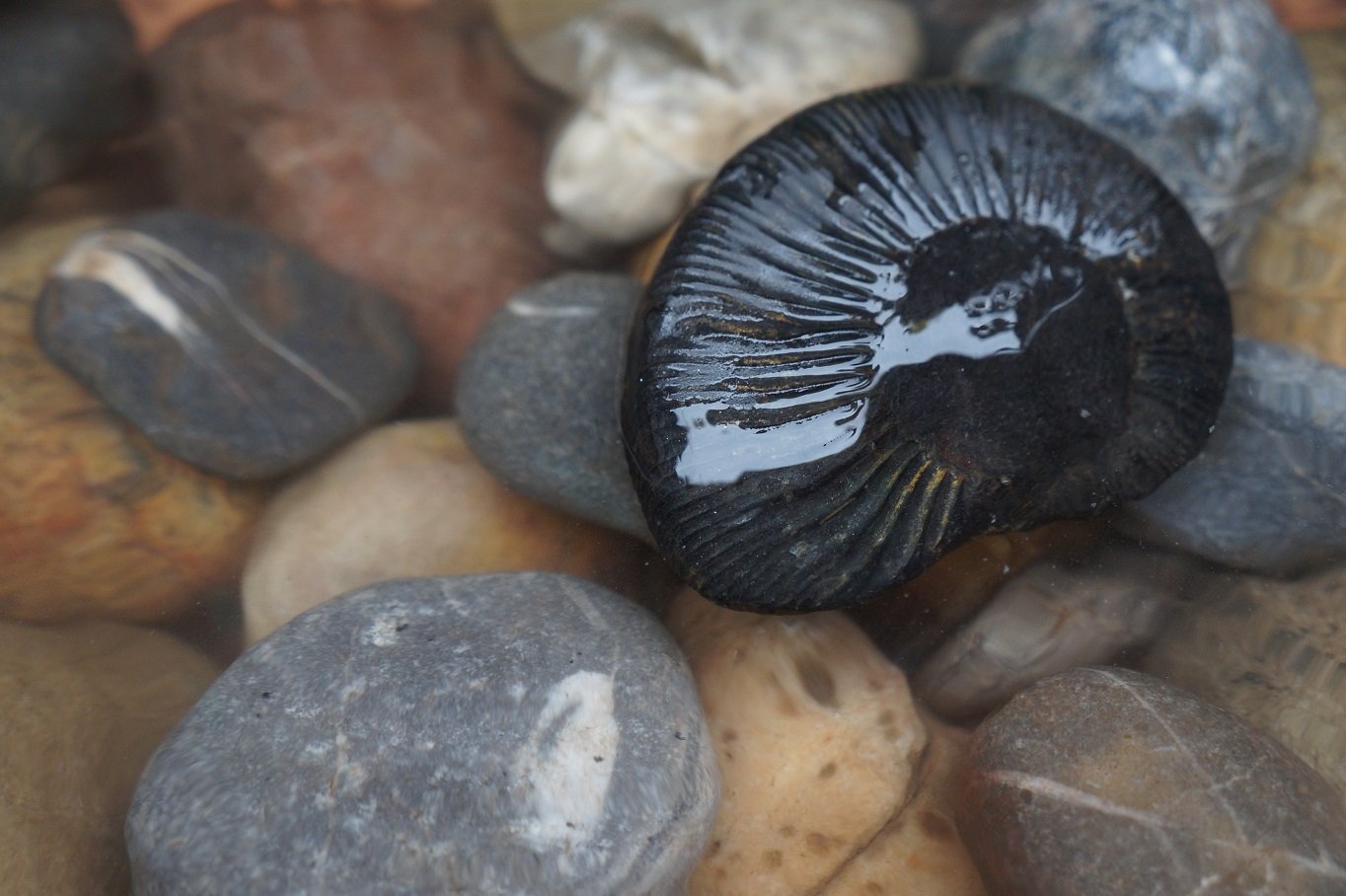
Shaligram shilas in the Kali Gandaki
The river of origin
IV
दर्शन
Darshan

Kali Gandaki

Before dawn, Dr. Chalise leads the Shaligram darshan at the riverbed — the only river on earth that carries them. He speaks on Nilkanth Varni's Bal Mukund Shaligram, the stone he carried with him for seven years. Guests who already hold a Shaligram in their home mandir are invited to bring it, so that it is blessed at its origin.
1 night · Jomsom
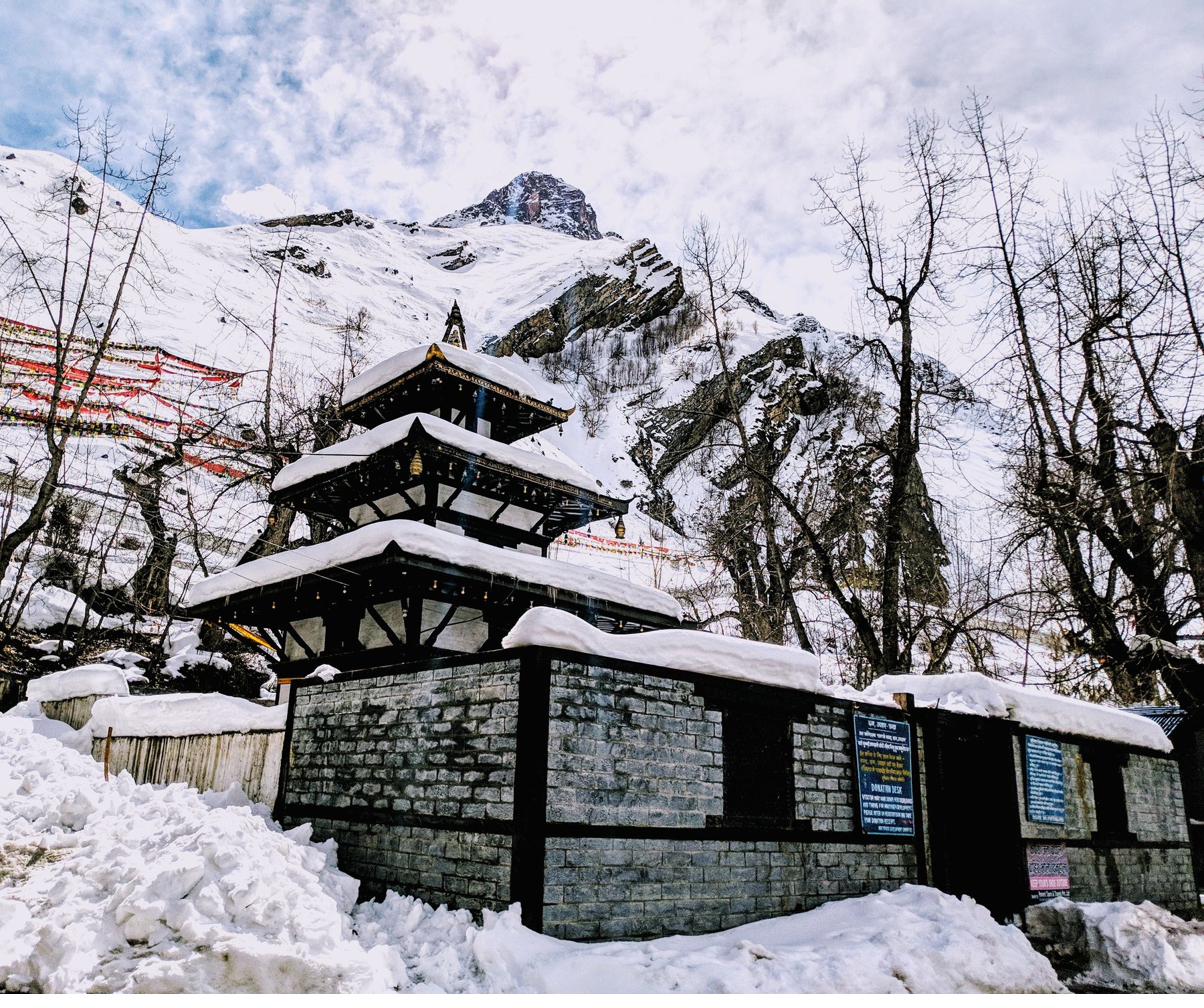
Muktinath pagoda in winter
Mukti Kshetra · the destination
V
समर्पण
Samarpan

Pulhashram Muktinath

The destination. Doli service is guaranteed for any guest who needs it. Darshan at the pagoda, at Jwala Mai's eternal flames, at the 108 sacred waters. Dr. Chalise reads the Satsangi Jeevan verses at the ground they describe. A closing satsang at altitude — the yatra's weight shifts from journey to memory.

1 night · 3,710 m
What is included

Built for elder comfort and scriptural depth.

Not a tour, not a trek. A yatra structured so that the weight is on what is read and what is seen — never on what must be endured.

International airfare to Kathmandu is arranged separately. We can recommend routes and booking partners on request.
About the lead

The yatra is led personally by Dr. Kul Raj Chalise, who has walked this corridor for three decades. In 2024, he served on the committee that identified and authenticated the Kali Gandaki Shaligram shilas placed at the heart of the Ram Mandir consecration in Ayodhya.

Read the full scholar section
How to Begin

Seats are not sold — they are invited.

The September 2026 departure is the first. The circle is small by design.

I
Reach Out
Send the form below. Include your travel window, family details, and any accessibility considerations.
II
Clarity Conversation
A twenty-minute call, usually with Anup Raj Chalise. We confirm the yatra is the right fit for your family. No sales.
III
Preparation
Accepted guests receive a reading list six weeks before departure, and two preparation sessions with Dr. Chalise before the journey begins.
IV
Walk the Path
Arrive knowing the path. Walk it with intention. Return with a practice that continues at home.
Inquire · September 2026

Begin your yatra.

Leave your name. We respond personally — usually within a day or two.

Your details are used only to respond to this inquiry. Never shared, never added to a mailing list.
❧   ❧   ❧
Jay Swaminarayan
Thank you. We will be in touch shortly.
FAQ

What families ask us first.

In the Swaminarayan tradition, Pulhashram and Muktinath are the same kshetra — the ashram of the sage Pulaha, at 3,710 m on the edge of the Annapurna. It is one of only eight svayam-vyakta kshetras in the Hindu canon, where Vishnu is understood to appear by his own will. It is where Bharat, son of Rishabhadeva, performed his penance. It is the ground where Nilkanth Varni undertook four months of tap mudra on the banks of the Kali Gandaki. For bhaktas who hold Vishnu and Shaligram in their hearts, there is no ground quite like it.
Yes. The yatra is designed specifically for elder comfort — not for endurance. Every darshan site has a seated option with identical scriptural content. Pacing is intentionally slower than any trekking itinerary. Pulhashram Muktinath at 3,710 m is reached by vehicle, with short walking inside the temple complex — doli (palanquin) service is guaranteed for any guest who needs it. A pre-trip altitude consultation and medical support on staff are standard. Specific mobility or medical concerns should be disclosed at inquiry so we can plan accordingly.
Shaligram are not procured or collected. They are offered, when ready, to hands that know what they hold. The pre-dawn Shaligram darshan at the Kali Gandaki includes a long katha on Nilkanth Varni's Bal Mukund Shaligram and the traditional understanding of the stone. Guests who already hold a Shaligram in their home mandir are warmly encouraged to bring it, so that it is blessed at its origin river — this is often the most meaningful moment for families who have worshipped a Shaligram for years without having seen the Gandaki.
The scriptural reading follows the Swaminarayan tradition — Satsangi Jeevan Chapter 44, the Shikshapatri, Harililamrit. But Mukti Kshetra is not exclusive to any one sampraday. It is a maha tirtha for the wider Hindu community — for every bhakta who holds Vishnu and Shaligram in their hearts. Non-Swaminarayan Vaishnav families are welcome, and the clarity conversation will confirm whether the emphasis of this particular yatra fits what you are looking for.
The inquiry covers all ground costs from Kathmandu arrival to departure — accommodation, domestic flights, ground transport, meals, guide, katha sessions, preparation, and post-return guidance. International airfare to Kathmandu is arranged separately. The first departure is scheduled for September 2026. Exact dates are confirmed after the clarity conversation. Seats are prioritised by inquiry date — inquire early if you are serious.